

Inside Abu Dhabi’s Dh42b plan to create a car-free city
Massive Liveability Strategy expansion connects neighbourhoods without cars
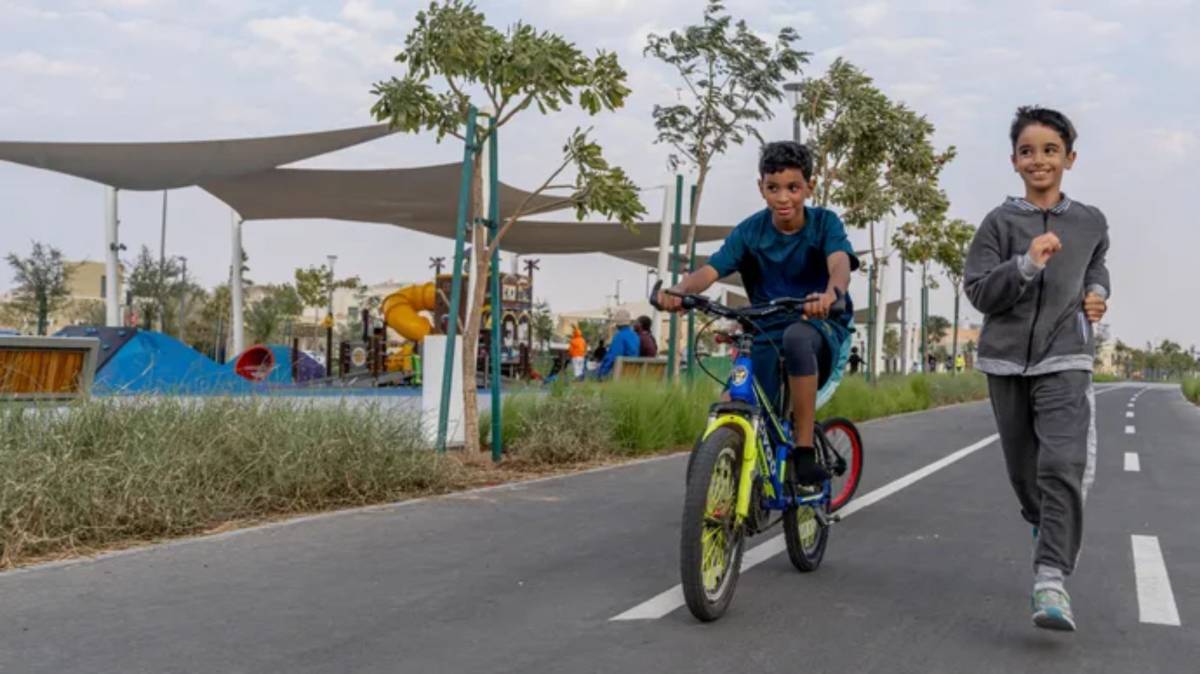
ABU DHABI – Residents in Abu Dhabi will soon be able to move easily between neighbourhoods without relying on cars, thanks to a transformative Dh42-billion investment under the emirate’s expanded Liveability Strategy.
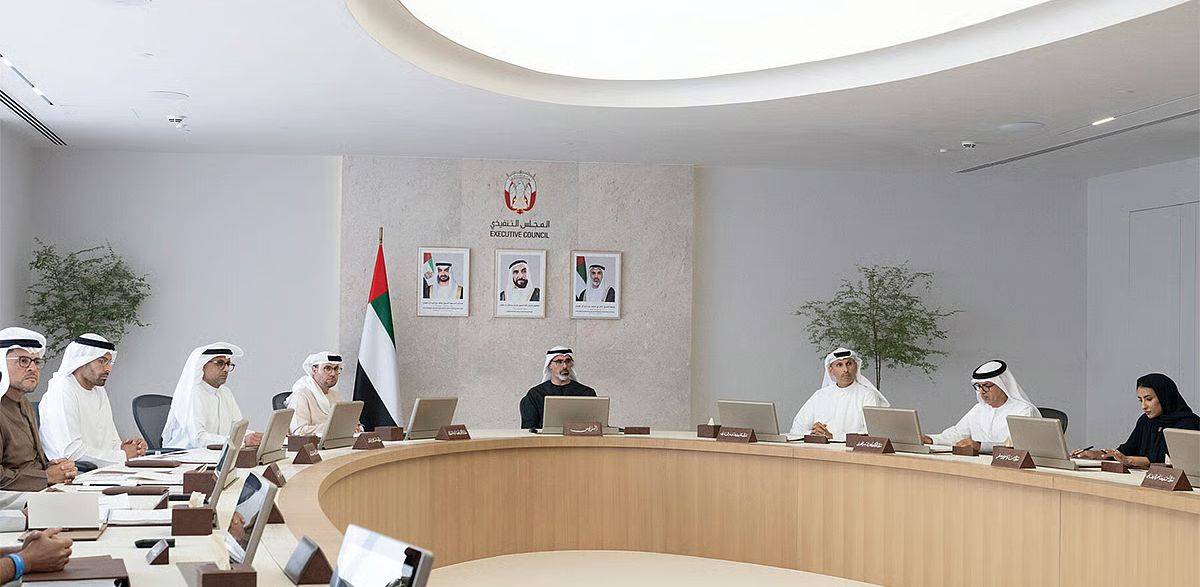
Approved by His Highness Sheikh Khaled bin Mohamed bin Zayed Al Nahyan, Crown Prince of Abu Dhabi and Chairman of the Abu Dhabi Executive Council, the initiative aims to enhance quality of life, improve connectivity, and strengthen community ties across the capital.
The strategy builds on the success of the first phase launched in 2023, which has already transformed neighbourhoods through new parks, schools, mosques, cycling tracks, and walking paths. With the latest expansion, Abu Dhabi envisions a city where residents can meet their daily needs within a short walking distance – blending sustainability, convenience, and well-being into everyday urban life.
What is the Liveability Strategy?
The Liveability Strategy forms the foundation of Abu Dhabi’s urban development vision, focusing on seamless community integration and high living standards. In its first phase, neighbourhood connectivity increased from 67 percent in 2023 to 81 percent in 2025, supported by over Dh12 billion in investments across more than 60 projects.
These projects include over 200 parks and sports courts, 24 schools, 21 mosques, and 28 community majlises, alongside 283 cycling tracks, 120 kilometres of walking paths, and 220 kilometres of new street lighting. A further 200 beautification projects have enhanced streetscapes and public spaces, turning residential areas into vibrant, accessible communities.
Sheikh Khaled highlighted that the well-being of citizens remains at the heart of the emirate’s priorities, noting the strategy’s focus on raising living standards for Emirati families and fostering social cohesion.
‘15-minute city’
The expansion aims to make Abu Dhabi a city where every resident can move freely – on foot, by bicycle, or using public transport – without depending on cars. The approach draws on the global “15-minute city” model, ensuring that essential services such as schools, mosques, and parks are accessible within a short distance.
According to experts, these interconnected communities encourage multiple modes of transport – walking, cycling, and public transit – which in turn promote a healthier and more sustainable lifestyle.
“By creating neighbourhoods where daily needs can be met within walking distance, we are not only improving quality of life but also promoting sustainable mobility, reducing traffic congestion, and strengthening social ties,” she said.
The focus on safe, dedicated paths for pedestrians and cyclists, combined with enhanced lighting and green spaces, supports both physical health and community engagement. Parks, community majlises, and sports courts are designed as gathering spaces that nurture social bonds and contribute to residents’ mental and emotional well-being.
When will residents see the changes?
Many of these developments are already visible, with several mini-parks, cycling lanes, and community facilities completed across the capital. During this new phase, the government will accelerate projects across Abu Dhabi’s residential areas, ensuring that upcoming neighbourhoods are designed to meet the highest global standards of accessibility and sustainability.
The expansion also aligns with Abu Dhabi’s Dh106-billion master plan to develop 13 new residential communities, providing more than 40,000 homes and plots for Emiratis. Of these, 25,244 housing units will be built at a cost of Dh94 billion, while another 14,876 plots are valued at Dh12 billion.
These projects work in tandem to strengthen infrastructure, reduce commute times, and create cohesive, car-free environments that support family life and social connectivity.
Driven by technology
Abu Dhabi’s walkable future is not only about physical infrastructure – it’s also driven by technology. The Abu Dhabi Government Digital Strategy 2025–2027 aims to position the emirate as the world’s leading AI-powered government by 2027, supported by a Dh13-billion investment in digital transformation.
This includes the integration of artificial intelligence (AI) in planning, transport, and service delivery to streamline urban living and enhance government efficiency. More than 95 per cent of Abu Dhabi government employees have already completed AI training, preparing the workforce for a data-driven future.
New initiatives such as TAMM 4.0, launching at GITEX Global 2025, will provide interconnected, AI-driven government services designed to anticipate residents’ needs. Meanwhile, programmes like the AI Majlis promote awareness of responsible AI use, encouraging dialogue between government and the public.
Abu Dhabi’s Liveability Strategy marks a shift towards people-centric urban planning – one that prioritises accessibility, health, and sustainability. By combining digital innovation, community development, and environmental design, the emirate aims to redefine modern living standards while reinforcing its social and cultural fabric.